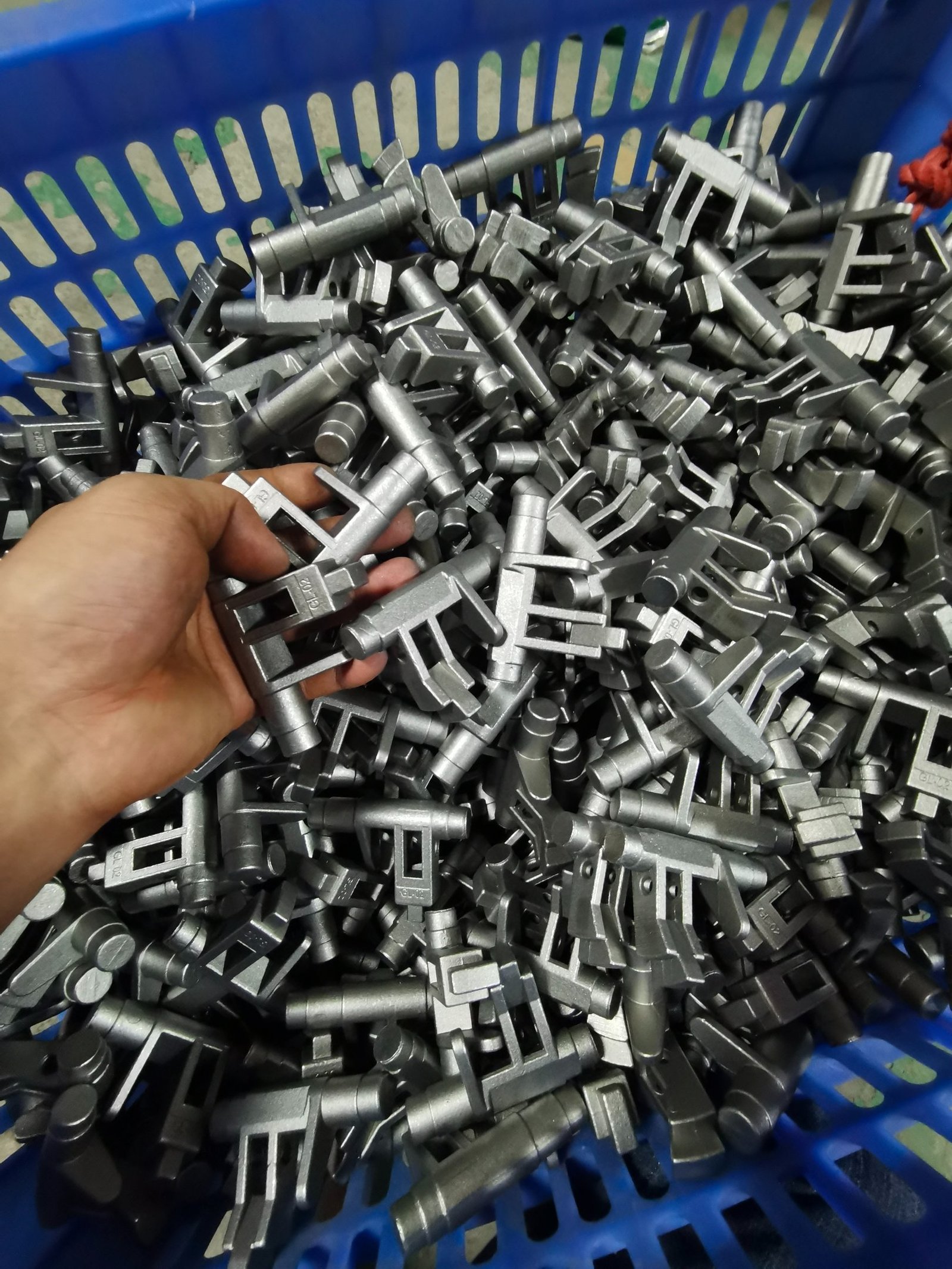
Investment casting: Your Industry Solution

We specialize in investment casting, the preferred process for casting metal.

Fast delivery cycle

Most standard orders ship within 4-6 weeks, while urgent projects can be expedited in as little as 2 weeks

investment casting quality through rigorous quality assurance, advanced testing, and strict process controls

One-stop service from design to production, supporting small-batch manufacturing and OEM/ODM

Quality Assurance
Expert Design
Low MOQ & OEM/ODM Available
Castings Quality Inspection
Mass-produced decorative castings

DONGGUAN XINYOUYUAN HARDWARE PRODUCTS CO., LTD specializes in manufacturing high-end metal prototypes and mass-produced components. Using cutting-edge lost-wax casting technology, we serve a diverse range of industries, including marine equipment, automotive components, medical devices, home furnishings, jewelry design, and industrial machinery. Our commitment to achieving the perfect metal representation of complex designs is unmatched. We offer unparalleled detail reproduction and strict tolerance control, helping our clients achieve significant improvements in product performance and quality.

Car Door Striker
Car Door Striker
Corrosion-resistant pipe fittings

Our Business Areas

We provide comprehensive solutions, from concept design to precision manufacturing. We utilize advanced CNC machining, 3D printing, and metallurgical technologies. Our ISO-certified facilities ensure rigorous quality control at every stage, including dimensional accuracy of ±0.01 mm. We specialize in handling complex geometries, such as those found in marine and medical-grade stainless steel applications. We provide customized engineering components for industries that require stringent standards. We transform designs into high-performance metal components with millimeter-level precision and consistent reliability.

1. What is precision investment casting? What other names does it have?

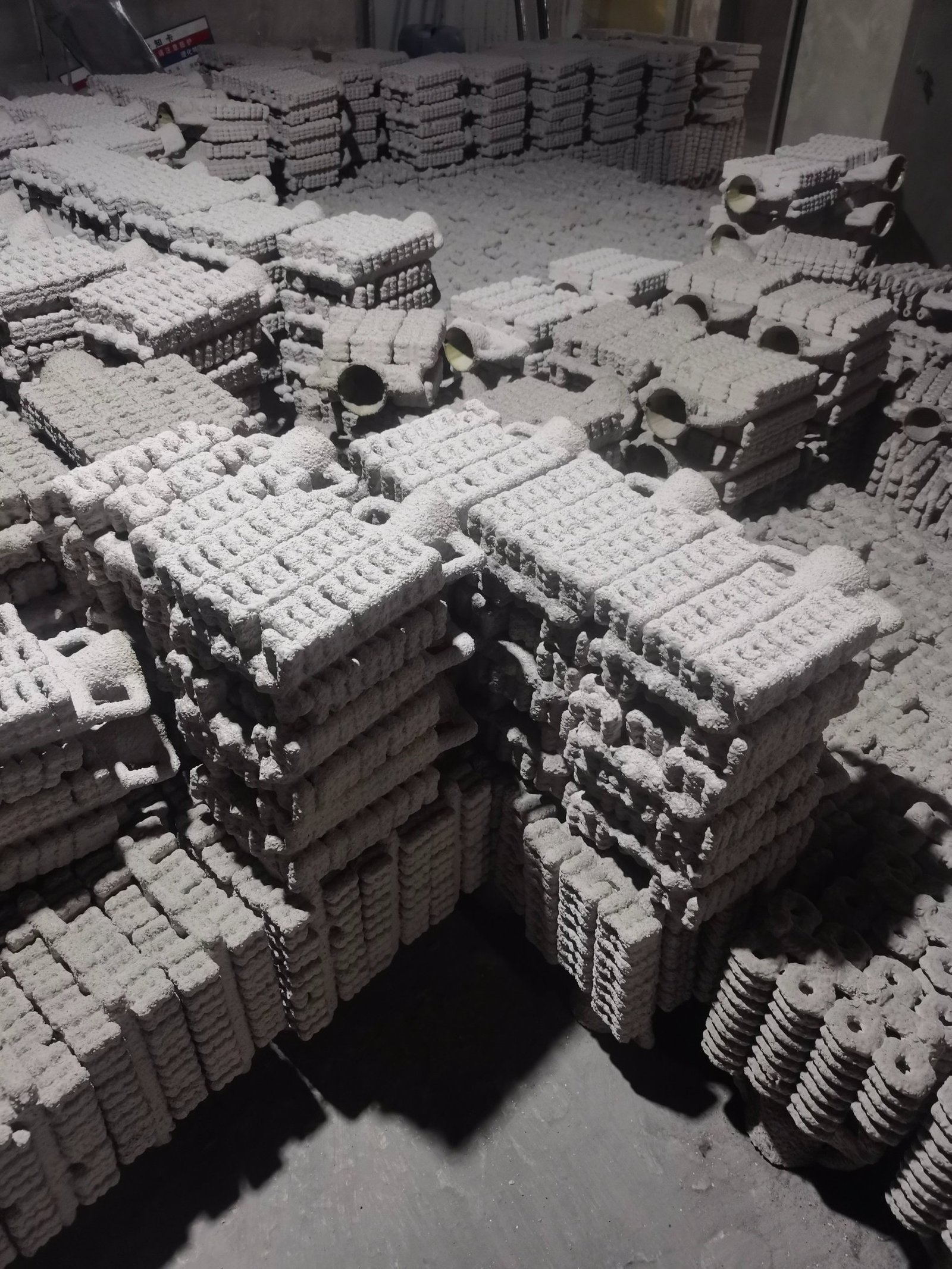
Precision investment casting, also known as lost-wax casting, is an advanced metal forming process. The process involves: first, creating a pattern identical to the desired part using an expendable material (typically wax or plastic). Then, refractory materials (such as colloidal silica, water glass, etc.) are repeatedly applied onto the pattern to form a hard ceramic shell. Next, the pattern inside the shell is melted out through heating (i.e., "lost wax"), resulting in a hollow ceramic mold cavity. Finally, molten metal is poured into the cavity; after the metal cools and solidifies, the ceramic shell is broken away, yielding metal parts with precise dimensions and a smooth surface finish.

2. What are the advantages of investment casting compared to sand casting or machining?

  • High dimensional accuracy and good surface finish: Investment cast parts can achieve dimensional accuracy of CT4-6 grades, with surface roughness Ra reaching 0.4-3.2μm. Many surfaces require no subsequent machining or only minimal grinding, significantly reducing machining costs.

  • Ability to cast complex shapes: It can produce complex parts difficult to manufacture with conventional forging or cutting processes, such as turbine engine blades, components with intricate internal cavities, and thin-walled parts.

  • Wide material adaptability: Almost unrestricted by alloy type, it can cast everything from carbon steel and stainless steel to superalloys, aluminum alloys, and copper alloys.

  • High flexibility: Suitable for both high-volume production and small-batch, multi-variety customization. Tooling has a long lifespan, and the cost per part decreases as production volume increases.

3. Which metal materials are suitable for investment casting?

Almost all castable metals are suitable. Common materials include:

  • Stainless Steels: 304, 316, 17-4PH, CF-8M, etc.

  • Carbon & Alloy Steels: ZG230-450, ZG35CrMo, 20CrMnTi, etc.

  • Tool & Die Steels: e.g., H13, D2.

  • Superalloys: Inconel 718, K417, etc. (suitable for aerospace applications).

  • Non-ferrous Metals: Aluminum alloys (ZL101, A356), Copper alloys (tin bronze, aluminum bronze).

  • Titanium Alloys (requires specialized equipment and processes).

4. What level of accuracy and surface roughness can investment casting achieve?

  • Dimensional Accuracy: Typically reaches CT4 to CT6 grades (per GB/T 6414 standard). Linear tolerances are generally controlled within ±0.1mm to ±0.3mm/25mm, depending on part size and geometry.

  • Surface Roughness: Generally Ra 3.2 to 6.3μm; fine processes can achieve Ra 1.6μm or even lower.

  • Critical areas: Higher requirements can be met through subsequent finishing or minimal machining.

5. What are the main industries where investment casting is applied?

  • Aerospace: Turbine blades, nozzles, structural components made from superalloys.

  • Automotive Manufacturing: Turbocharger wheels, steering knuckles, connecting rods, exhaust manifolds.

  • Medical Devices: Surgical instruments, orthopedic implants (must meet biocompatibility requirements).

  • Hardware & Tools: Valve bodies, pump bodies, pipe fittings, lock components.

  • Military & Defense: Firearm parts, missile components.

  • Art & Crafts: Precision metal artwork, jewelry.

6. Is the tooling cost high for investment casting? How long is the tooling life?

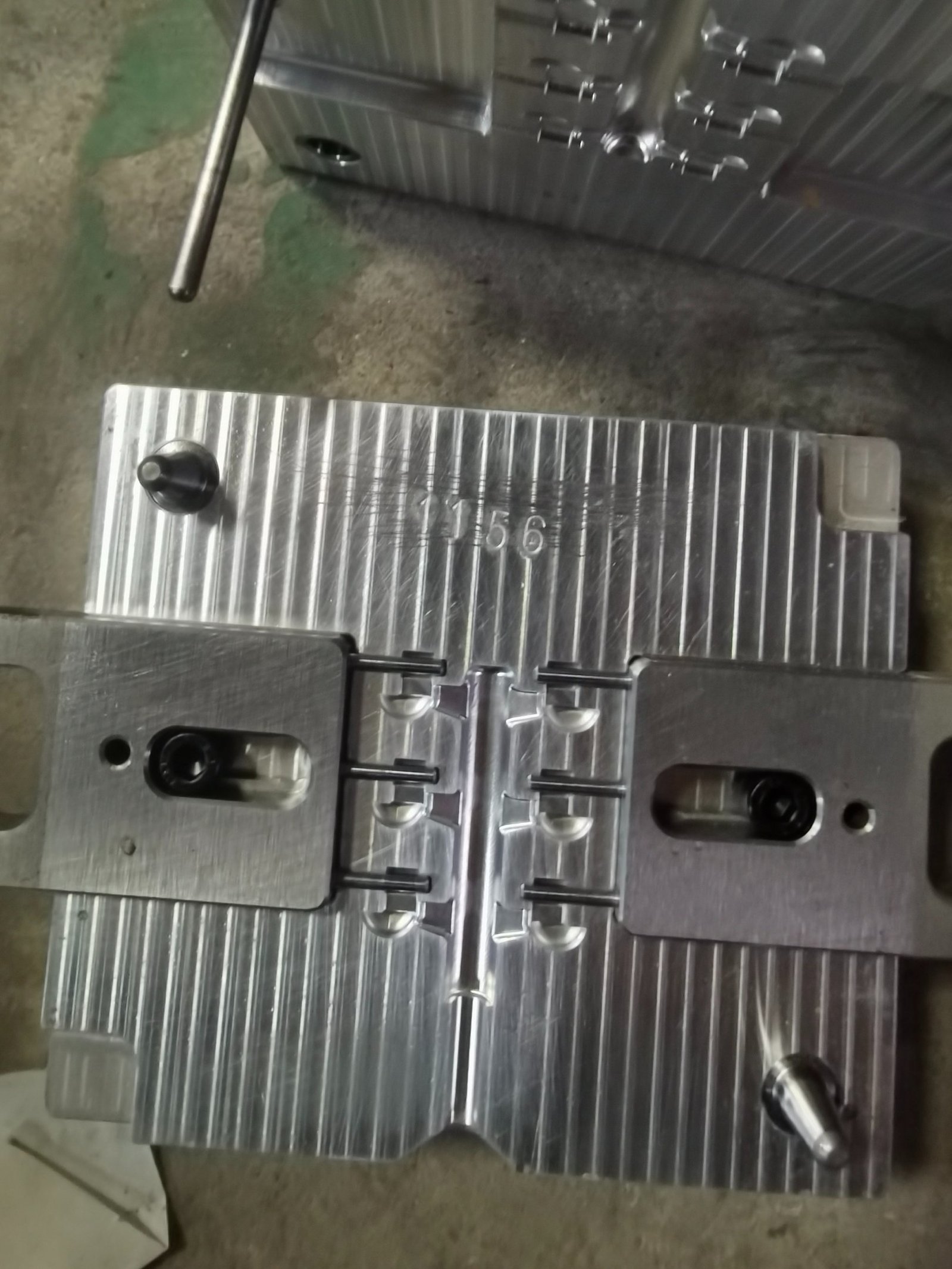
  • Tooling Cost: The wax pattern dies used in investment casting are typically metal molds (aluminum or steel) with high precision requirements, so initial tooling costs are higher compared to sand casting. However, for complex parts, the unit cost amortized over high-volume production is acceptable.

  • Tooling Life: Aluminum molds can typically produce tens of thousands of wax patterns; steel molds can exceed 100,000 patterns. With proper maintenance, the lifespan can be even longer.

7. Which parts are NOT suitable for investment casting?

  • Very large parts (precision casting of single pieces exceeding 100kg is less common, limited by shell building equipment and pouring capacity).

  • Parts with overly simple shapes and low precision requirements (sand casting is more economical).

  • Heavy-duty parts requiring extremely high isotropic mechanical properties (may require forging).

  • Parts demanding extremely high internal density with no micro-defects (may require Hot Isostatic Pressing or switching to forging).

8. What are the minimum wall thickness and maximum weight for investment casting?

  • Minimum Wall Thickness: Generally not less than 0.5mm to 1.0mm, depending on molten metal fluidity. Complex thin-wall parts can reach 0.3mm.

  • Maximum Weight: Conventional investment casting part weights typically range from 0.01kg to 50kg. Some specialized manufacturers can produce parts over 100kg, but this depends on shell building and pouring capabilities.

9. What are common defects in investment castings? How can they be prevented?

Common defects and causes:

  • Porosity/Pinholes: Poor degassing of molten metal, poor shell permeability, or improper pouring temperature. → Enhance melting degassing, optimize the gating system.

  • Shrinkage Cavity/Porosity: Uneven wall thickness, insufficient feeding. → Properly design gates and risers, control cooling direction.

  • Cracks: Excessive shell strength hindering contraction, high hot tearing tendency of the metal. → Adjust shell collapsibility, optimize alloy composition.

  • Surface Burn-on/Flash: Issues with shell material or coating particle size. → Improve coating formulation, enhance prime coat quality.

  • Dimensional Deviation: Wax pattern deformation, unstable shell expansion/shrinkage. → Control pattern making and firing processes.

10. How is the quality of investment castings ensured?

Reputable investment casting foundries implement quality control throughout the entire process:

  • Raw Material Inspection: Strict control over wax, refractory materials, and alloy composition.

  • Tooling & Wax Pattern Inspection: Regular sampling and checking of tooling accuracy and pattern dimensions.

  • Shell Building Monitoring: Control of slurry viscosity, stucco particle size, number of layers, and drying environment.

  • Firing & Pouring Control: Monitoring shell firing temperature, molten metal composition, pouring temperature, and speed.

  • Post-processing & Inspection: Cleaning, heat treatment, straightening, followed by dimensional inspection, surface NDT, X-ray inspection, mechanical property testing, etc.

11. Can investment casting be used for small batch trial production? What is the minimum order quantity (MOQ)?

Yes. Many investment casting foundries offer services ranging from sample development to small-batch trial runs. MOQs are flexible. Some manufacturers accept trial runs of dozens of pieces or even single pieces (may require sharing tooling costs or using 3D-printed wax patterns). Conventional small-batch production typically starts from 100 to 500 pieces. It is recommended to consult the factory directly for specific requirements and pricing.

12. What are the characteristics of investment casting versus metal 3D printing?

  • Investment Casting: Suitable for medium to high-volume production; unit cost decreases as volume increases; wide material selection; good surface finish. However, it requires tooling and has a slightly longer lead time.

  • Metal 3D Printing: No tooling required; suitable for single pieces, small batches, or extremely complex geometries; flexible design changes. However, equipment and material costs are high; surface roughness is typically poorer, requiring post-processing; size is currently limited by the machine's build envelope.

  • The two processes are often complementary: 3D printing can be used for rapid prototyping or for manufacturing wax patterns (3D printed patterns + investment casting) to accelerate development cycles.

13. What is the typical production lead time for investment casting?

From tooling confirmation to finished parts, typical lead times are as follows:

  • Tooling Manufacturing: Approximately 20-40 days (depending on complexity).

  • Sample Production: Approximately 15-25 days after tooling confirmation.

  • Mass Production: Approximately 25-35 days for the first batch; subsequent batches can be shorter.

  • Expedited services may be available upon negotiation with the foundry.

14. What information should be provided to get an accurate quotation?

It is recommended to provide the following information:

  • Part Drawings (2D/3D), indicating dimensions, tolerances, and surface requirements.

  • Material Grade (e.g., 304 Stainless Steel).

  • Estimated Annual Demand or initial order quantity.

  • Heat Treatment Requirements (e.g., solution treatment, aging, etc.).

  • Surface Finish Requirements (e.g., polishing, sandblasting, plating, etc.).

  • Special Inspection Requirements (e.g., X-ray inspection, Fluorescent Penetrant Inspection, etc.).

15. What subsequent processing services do investment casting foundries typically offer?

Many investment casting foundries possess complete post-processing capabilities, including:

  • Heat Treatment (annealing, normalizing, quenching, tempering, solution treatment, aging, etc.).

  • Surface Cleaning (sandblasting, shot blasting, pickling).

  • Machining (turning, milling, drilling, grinding, etc., to meet higher precision or assembly requirements).

  • Surface Finishing (plating, anodizing, painting/coating).

  • Welding & Assembly.

  • Inspection Services (CMM inspection, spectroscopy analysis, mechanical testing, Non-Destructive Testing).

Precision Investment Casting Frequently Asked Questions (FAQ)

Precision Lost Wax Casting & OEM Metal Prototypes Manufacturer

Precision Manufacturing Solutions

We specialize in high-quality casting for various industries, ensuring precision and reliability.

Precision Casting Services
Stainless Steel Hydraulic Valve Body

Advanced technology for producing complex-shaped metal components with strict quality control.

Lathe Turning
Lathe Turning
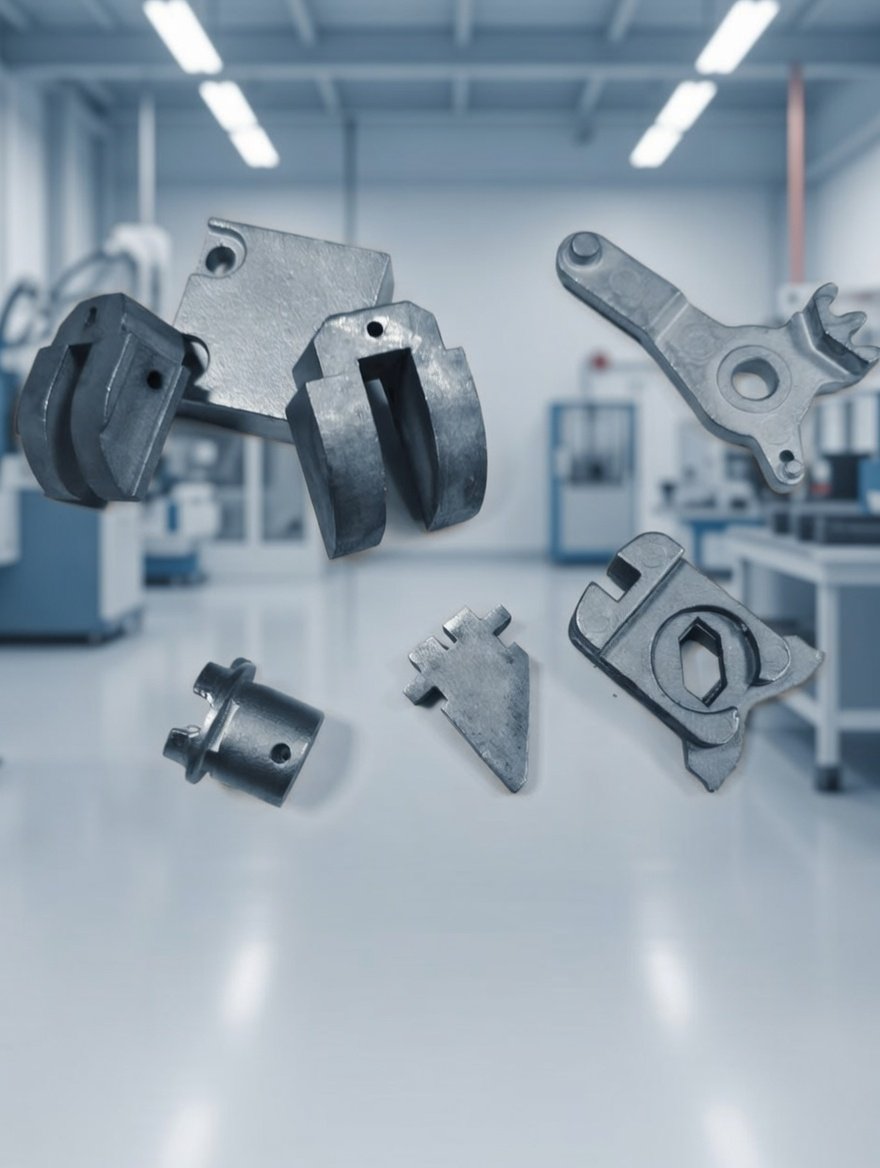
Hardware components
Hardware components
Quality Control System

Our rigorous quality control ensures every product meets industry standards and client expectations.

Serving aerospace, automotive, and mechanical engineering industries with precision components.

Industry Applications

Gallery

Explore our precision casting solutions and innovative designs.

Molten steel

The precision and quality of Xinyouyuan's products consistently exceeds our expectations in every project.

Alice Johnson

A precision measuring probe is positioned above a metallic surface, likely part of an industrial machine or CNC equipment. The focus is primarily on the metallic probe with a small red tip, highlighting its use in detailed measurements. The background is blurred, emphasizing an industrial setting.

Their exceptional service and top-notch investment casting solutions have significantly boosted our production capabilities and efficiency

Mark Smith

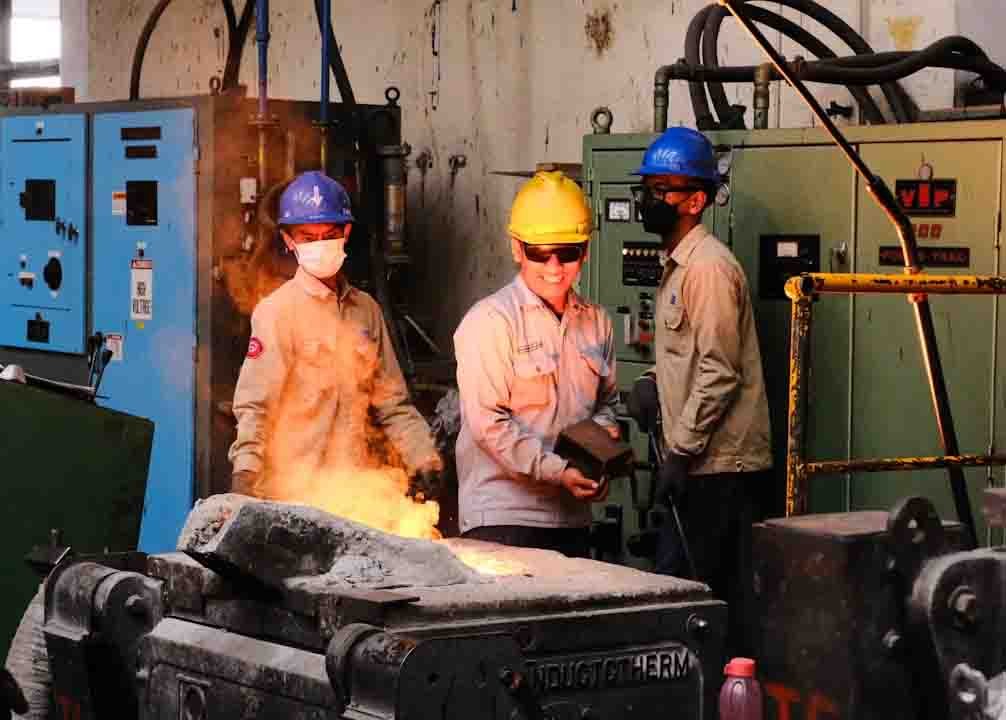
Several workers are wearing protective gear in an industrial setting, engaging in metalworking or a foundry process. Molten metal pours from a furnace, emitting bright sparks and creating a warm glow. Equipment and structural elements surround them, and a haze lingers in the air.
★★★★★
★★★★★