
Cold Shut vs. Crack: Identifying and Solving Widespread Casting Defects in Investment Casting
A common confusion in investment casting: Is it a crack or a cold shut? This article breaks down the key differences, explains why the defect appears across large areas, and offers insights for improving foundry expertise.
heweifeng
2/7/20261 min read
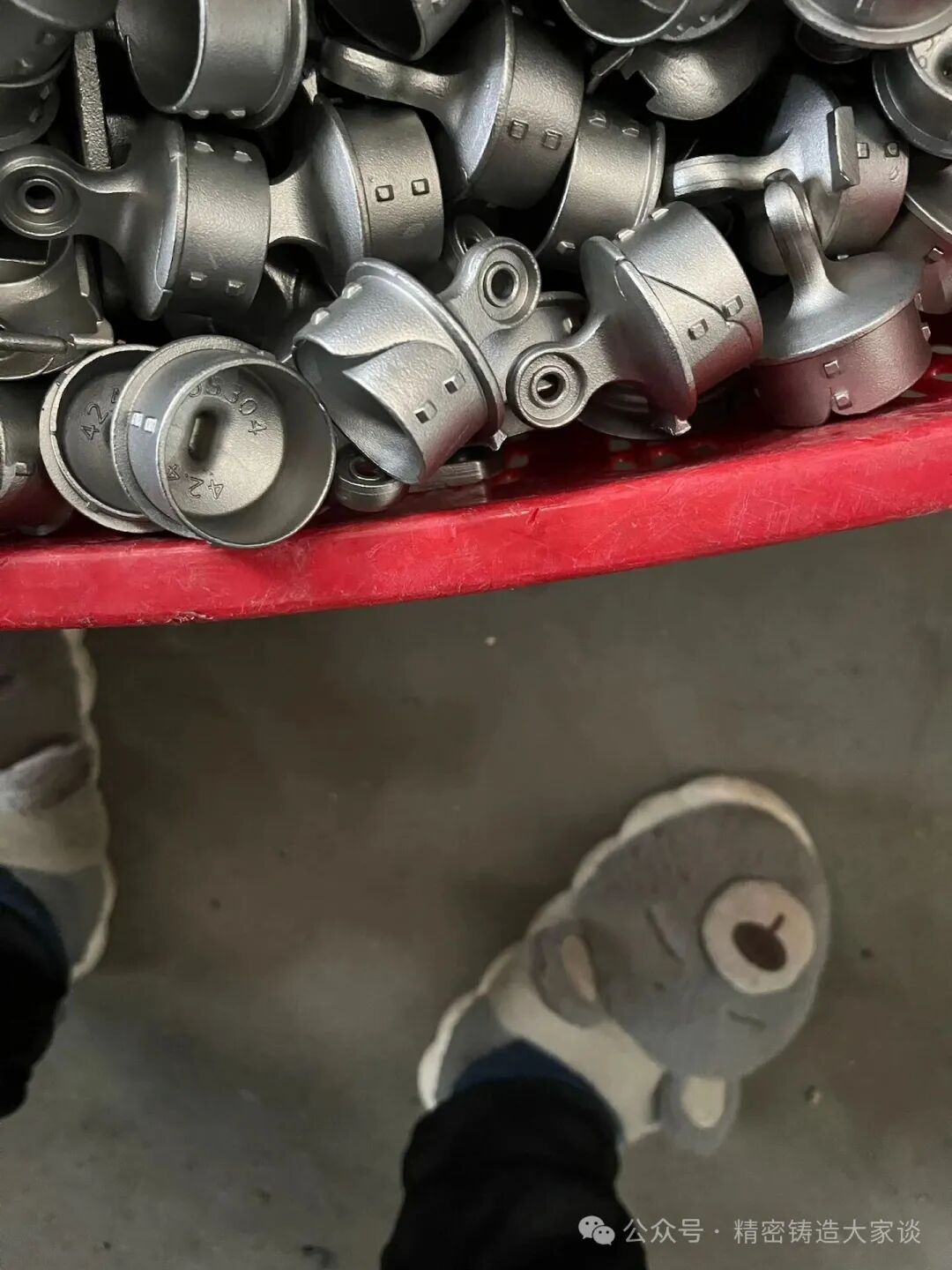
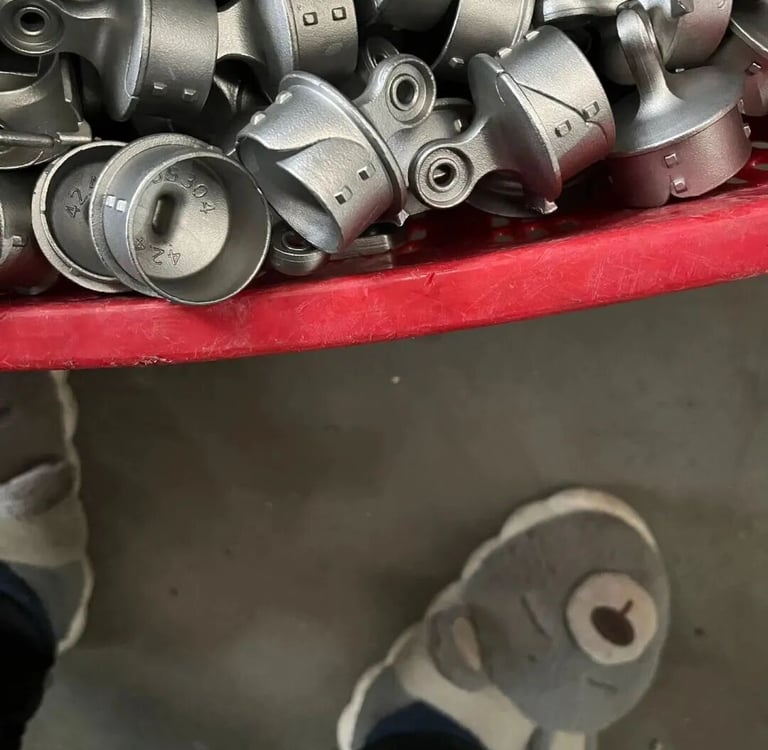
In an investment casting communication group, a member posted the photo shown in Figure 1 with the question: “Experts, what causes these widespread cracks?”
Figure 1: Cold shut on the surface of a casting
From the way the question was phrased, it is clear that the person is relatively new to precision casting—even mistaking a basic cold shut (or misrun) defect for a crack. This also highlights room for improvement in foundational knowledge among some professionals in our industry.
There are two main reasons why this defect is identified as a cold shut rather than a crack:
The defect appears in non-fixed locations, unlike cracks which typically occur in specific, repeatable areas.
The edges of the defect are generally rounded, a distinctive characteristic of cold shut or misrun defects.
While the defect itself is straightforward, the key issue—and the focus of this article—is why it occurs over such a large area.
Quality
Precision manufacturing for diverse industrial applications.
Services
Products
+8615912702921